At our school, emotional intelligence is just as important as academic learning. Through the Zones of Regulation, our PYP students are developing the language, awareness, and strategies they need to understand and manage their emotions every day.
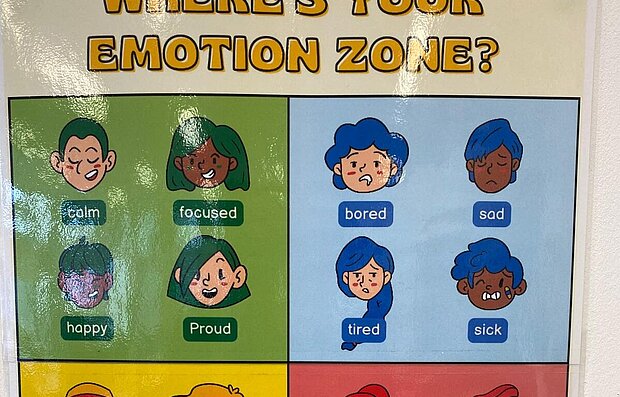
The Zones of Regulation is a framework designed to help children recognize and regulate their feelings, energy levels, and behavior. It uses four color-coded zones to represent different emotional states:
- Blue Zone: Low energy states such as sadness, tiredness, or boredom.
- Green Zone: Calm, focused, and ready to learn.
- Yellow Zone: Feelings of frustration, silliness, or nervousness—times when we need to take care to stay in control.
- Red Zone: Strong emotions like anger, panic, or excitement that may require strategies to return to calm.
Across the PYP, these zones are becoming part of students’ daily routines and reflections. Children learn to pause, name their emotions, and consider strategies to help them return to the zone that best supports their learning and relationships.
Building Empathy in PYP4
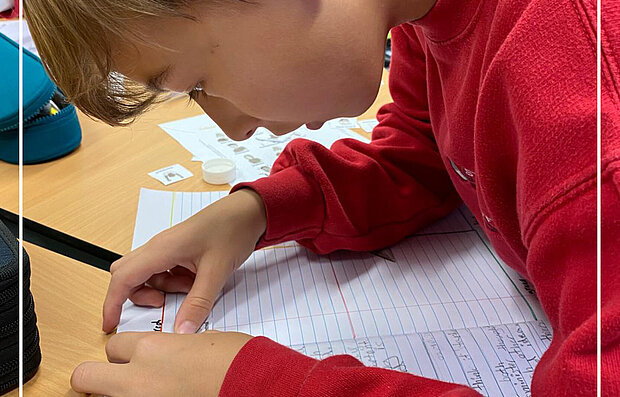
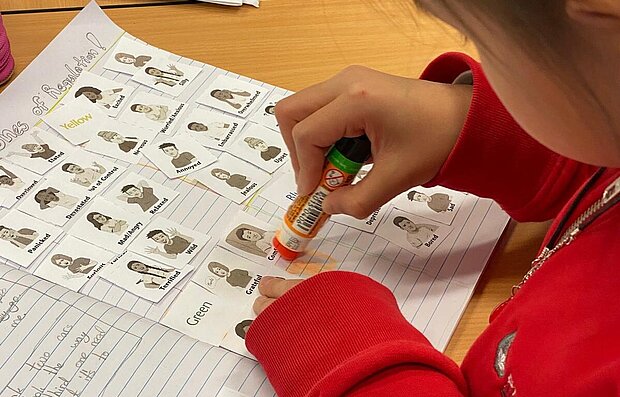
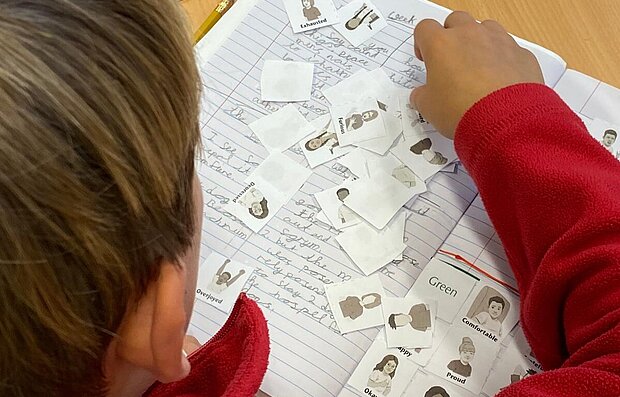
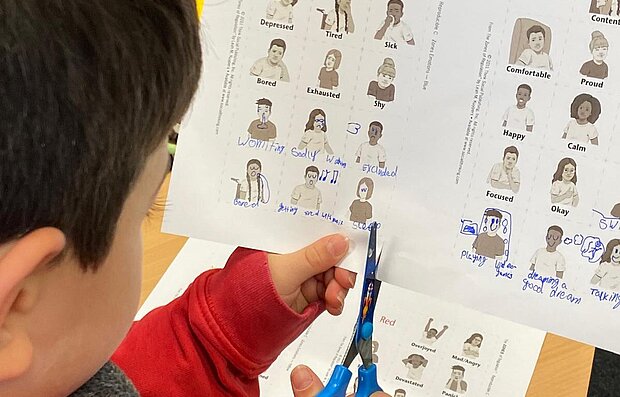
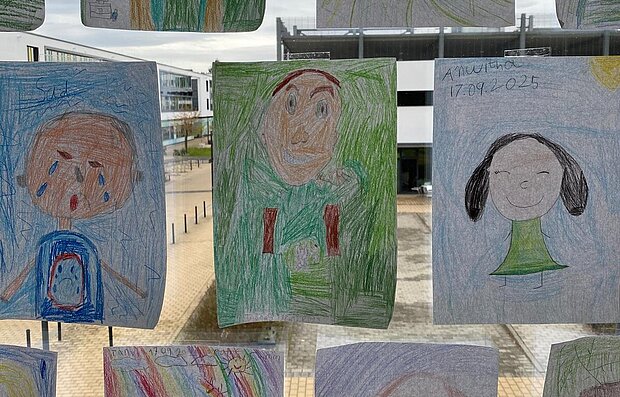
In Mrs. O’s PYP4 class, students take this understanding a step further by observing and reflecting on the expressions and emotions of others. Together, they classify facial expressions and behaviors according to the zones, helping them build empathy and social awareness. By recognizing how others feel—and how to respond appropriately—they’re also learning valuable lessons in kindness, communication, and social etiquette.
Self-Regulation in PYP3
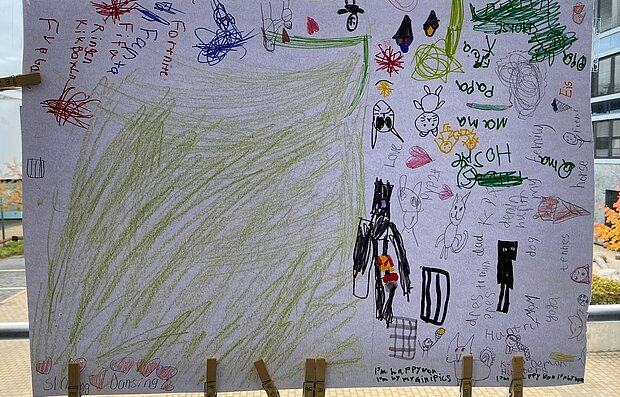
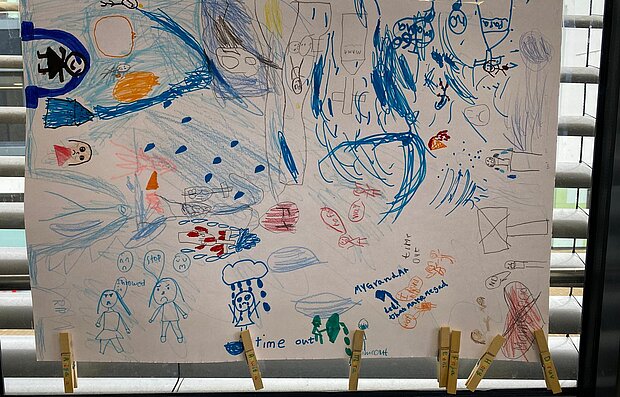
In Ms. Eva’s PYP3 class, students make the zones personal. They’ve created colorful posters filled with drawings and symbols representing each zone, which serve as daily reminders of how emotions can shift throughout the day. Each student has a name clip that they move from one zone to another to reflect their current mood or energy level. It’s a powerful visual and interactive way for students to track their emotions and practice self-regulation.
A Schoolwide Practice
The Zones of Regulation extend beyond individual classrooms. They’re woven into assemblies, reflections, and class discussions throughout the school. It’s not uncommon to hear a student say, “I’m in the yellow zone today,” when asked how they’re feeling—showing just how naturally the framework has become part of daily school life.
By teaching students to identify, understand, and express their emotions, we’re helping them develop essential life skills—resilience, empathy, and self-awareness—that will serve them well beyond the classroom.
Because learning how to feel is just as important as learning how to think.