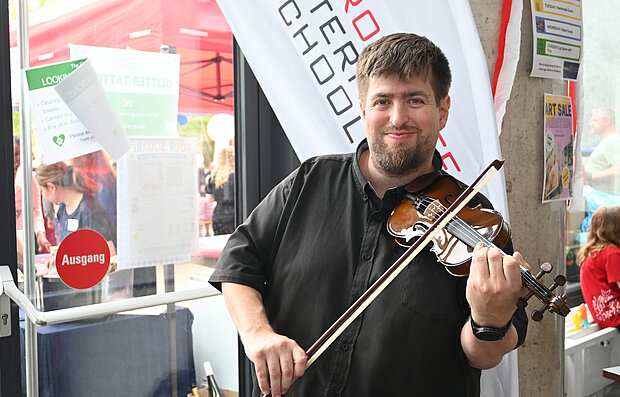
By Mr. Friedrich von Geyso
1) Creative and Critical Thinking
The arts and music play an important role in developing the whole student, not just artistic skills. They encourage creativity, imagination, curiosity, and the ability to approach problems from different perspectives. Through composing, performing, designing, and creating, students learn to experiment, make decisions, solve problems, take creative risks, and learn from mistakes. Music also develops concentration, active listening, memory, attention to detail, and pattern recognition. At the same time, the arts provide an important form of self-expression and can support emotional well-being by giving students a way to communicate feelings and experiences. These skills are valuable across the curriculum and can strengthen students' ability to learn, think critically, and engage with challenging tasks.
2) Communication, Collaboration & Personal Development
The arts provide students with many opportunities to communicate, collaborate, and develop confidence. Performing in an ensemble, creating a group project, or presenting artwork requires students to listen carefully, share ideas, compromise, take responsibility, and work towards a common goal. Students learn that successful collaboration depends on respecting different perspectives and contributing positively to a team. Regular practice also develops discipline, perseverance, resilience, and an understanding that improvement comes through effort and feedback. Performing and sharing creative work can help students manage nerves, become more confident in front of others, and learn how to respond constructively when things do not go as planned. These experiences also develop leadership, initiative, adaptability, and cultural awareness—qualities that help students become thoughtful and responsible members of their communities.
3) Skills for Life & Future Careers
The benefits of arts and music education extend far beyond careers in the arts. Creativity and innovation are increasingly important in fields such as science, technology, engineering, medicine, business, and education, where people need to develop new ideas and find solutions to complex problems. Communication skills developed through performing and presenting can help with interviews, presentations, meetings, teamwork, and working with clients or colleagues. Similarly, the ability to listen, cooperate, manage pressure, accept feedback, and persevere through challenges is valuable in almost every profession. The arts also help students become adaptable and open-minded, particularly through exposure to different cultures, ideas, and perspectives. Ultimately, arts and music education helps students become confident, creative, resilient, collaborative, and independent thinkers who are better prepared not only for their future careers, but also for life beyond school.